One of my biggest bugbears concerns all the pay-to-play book contests out there. Sure, there are plenty of legitimate literary prizes, big and small, and I have no beef with them. But there seems to be an increasing amount of predatory book awards aimed at naïve authors suffering from the need for external validation. What do I mean by pay-to-play or predatory contests? Those are the ones where:
- there is an almost endless list of categories, and you pay more than just a nominal sum to enter each of them. Hint: $80 isn’t a nominal sum, although perhaps $20 is;
- the list of judges is not available or made up of unknowns connected to the organization running the contest. Hint: proper literary judges are independent, and their nomination to a prize panel is widely advertised;
- the contest organizers send unsolicited emails encouraging you to enter;
- they offer winners overpriced services, cheap stickers, dumb certificates, and other useless crap in exchange for yet more money, and
- everyone’s a winner!
Sound familiar?
I see a lot of independently published authors on social media proclaiming themselves to be “award-winning.” Sometimes, the title stems from legit contests and more power to them. But all too many essentially bought that award from a predatory pay-to-play contest. And yes, I think less of them and will touch nothing they write. In fact, I secretly laugh at the fools.
Now here’s the big secret no one wants to talk about. Proclaiming yourself an “award-winning author” when it’s not an instantly recognizable literary prize such as the Giller, the Man Booker, or the Nebula, to name but a few well-known English language examples does nothing to help sales. Whenever I want a chuckle, I look at the sales rankings and reviews of these pay-to-play award-winning books. Yeah. Not in any way remarkable. In fact, they’re often utterly sad. I won’t name names, but for example, one author busy proclaiming award-winning status on social media can’t even sell a single copy of said book in some major English language markets. Most dodgy award winners aren’t doing any better. Those whose sales surpass mine are rare, although there are some, and I’ve never even won so much as a booby prize. Mind you, some of the bigger legit awards are becoming questionable nowadays because ideology is increasingly pushing literary merit to the sidelines. The Sad/Rabid Puppies phenomenon that caused the Hugos to implode a few years ago didn’t occur in a vacuum. However, those awards aren’t my concern since they deliberately snub independents.
Where does that leave you, dear scribbler? It’s a free world. If you want to pay big bucks for a shiny and utterly worthless sticker on your book cover, who am I to object? Yes, I’ll consider you a fool, but then my opinion is unimportant because I’m not in the business of providing external validation to insecure authors. But this blog is about the business of writing, and my self-imposed mission is to make you reflect before you unwittingly put on a dunce cap. So here’s the bottom line.
That $200-$300 (or, God forbid, even more) you spend on entering a contest won’t do much to raise your profile or generate sales. If your book is blah, and/or your blurb sucks and/or your cover induces seizures, it won’t find more of an audience with that shiny sticker and your proclamation it’s an award-winning book penned by an award-winning author. Readers aren’t dumb, dear writer. If your book is uninspiring or downright sucks and yet you claim it won a prize, guess what? They’ll think as I do and consider you a fool at best and deliberately deceptive at worst. Spend that money to improve your product, and if your book, blurb, and cover are as good as they’ll ever be, spend that money on advertising. You’ll generate more sales for each dollar spent than handing your hard-earned bucks to a bunch of crooks who pretend they’re in it to help independent authors succeed. And the people running dodgy contest are crooks.
How can I tell whether a contest is legit, you ask? Easy. I gave you the main clues above, but there are resources available on the internet. Consult them before you spend a single cent. The ones I always check when I see a dodgy “award-winning author” on social media are:
- Writer Beware https://accrispin.blogspot.com/ Use the search box to enter the contest name.
- Alliance of Independent Authors https://selfpublishingadvice.org/author-awards-contests-rated-reviewed/
If, after consulting those two essential resources, you find that the contest you wish to enter is dodgy, but you enter anyway, then clearly, this blog isn’t for you because I have no patience for fools. Authors who knowingly enter dodgy contests are directly responsible for their proliferation and the ongoing victimization of naïve, validation-craving writers. If you entered a dodgy contest before reading the above and won a prize, don’t be a fool and proclaim yourself award-winning. You didn’t win an award; you bought it. Instead, make sure your work stands on its own because that is how you’ll develop long-term success.
For the record, I never entered a literary contest, never won a prize, and don’t care whether the literary world ever recognizes my work. My external validation comes from the money deposited in my publishing company’s bank account every month. And I no longer buy books based on their prize-winning status. I avoid them like the plague because awards increasingly no longer signal quality.
Should my characterization of dodgy indie book awards and the fools who pay-to-play offend you, remember, it’s just my point of view, and you know what Dirty Harry Callahan said about opinions.
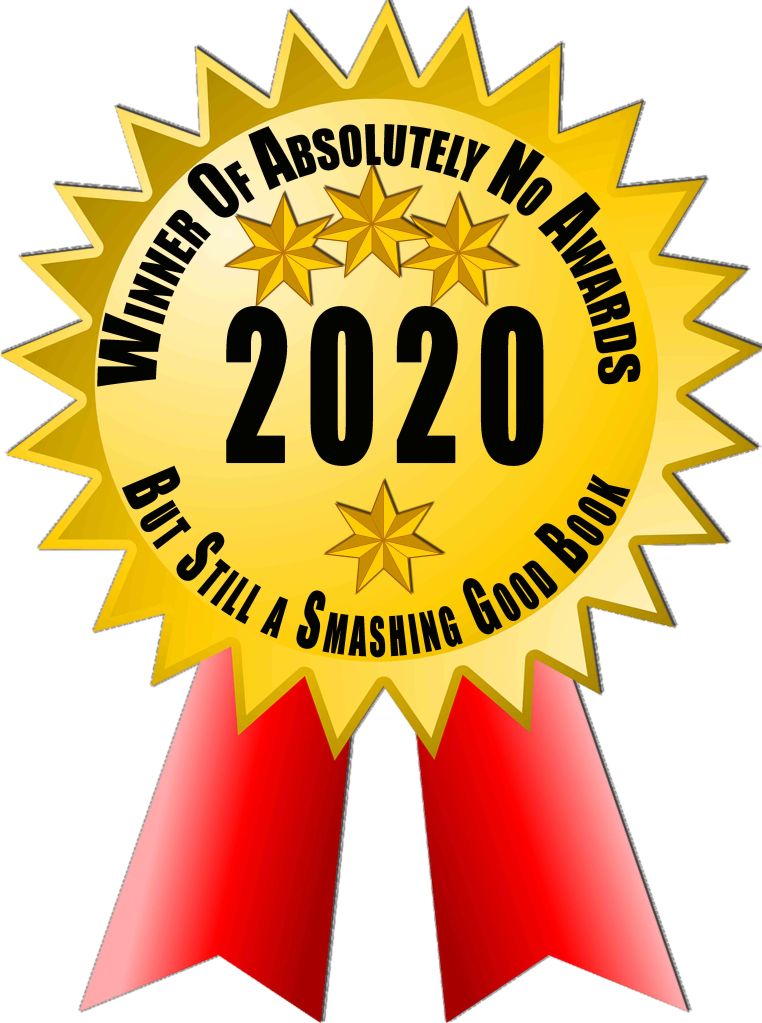
Here’s a sticker for you, on me. Enjoy.
 Musings on the Business of Writing